Written by an independent EV export-sourcing advisory team with more than a decade of hands-on experience vetting Chinese factories and coordinating African import shipments. Reviewed against publicly available Ethiopian import rules current to 2026.
Ethiopia’s electric vehicle market has moved from pilot project to procurement decision. The fleet grew from under 1% of vehicles on the road to nearly 6%, above the 4% global average (EnergyConnects, February 2026). This electric vehicle sourcing guide for Ethiopia walks through the sequence a buyer actually performs: define the fleet requirement, shortlist Chinese suppliers on export capability, verify range against its test conditions, confirm conformity documents before the deposit, model landed cost and payback, then plan container loading through Djibouti.
Get the order wrong and the cost is concrete. A container of units whose certification does not match the shipped model sits at the port while storage accrues. A fleet bought on brochure range loses hours of daily operation once payload and gradient are real. Duty and clearance figures shift, so treat every rate in this guide as a checkpoint to re-verify, not a fixed number.
What this electric vehicle sourcing guide for Ethiopia covers
This guide is for African importers and fleet operators buying electric motorcycles, e-bikes and electric tricycles in bulk, and it answers one question: how do you choose a supplier you can still defend twelve months after the container clears? Ethiopia’s 2025 ban expansion prohibits fossil-fuel motorcycles and three-wheelers along with their knockdown kits, while explicitly exempting electric-motor-powered versions (ev24.africa, 2025-10-02), so the category you are sourcing is the permitted one. It is written for four roles at once: the technical buyer checking battery and motor specs, the operations lead planning charging and payload, procurement weighing landed cost and documents, and the executive asking when the fleet pays for itself. Every range, capacity and payback figure below carries its test condition, because a bulk order electric tricycles Ethiopia quote means little without one.
Prerequisites: what you need before you contact a supplier
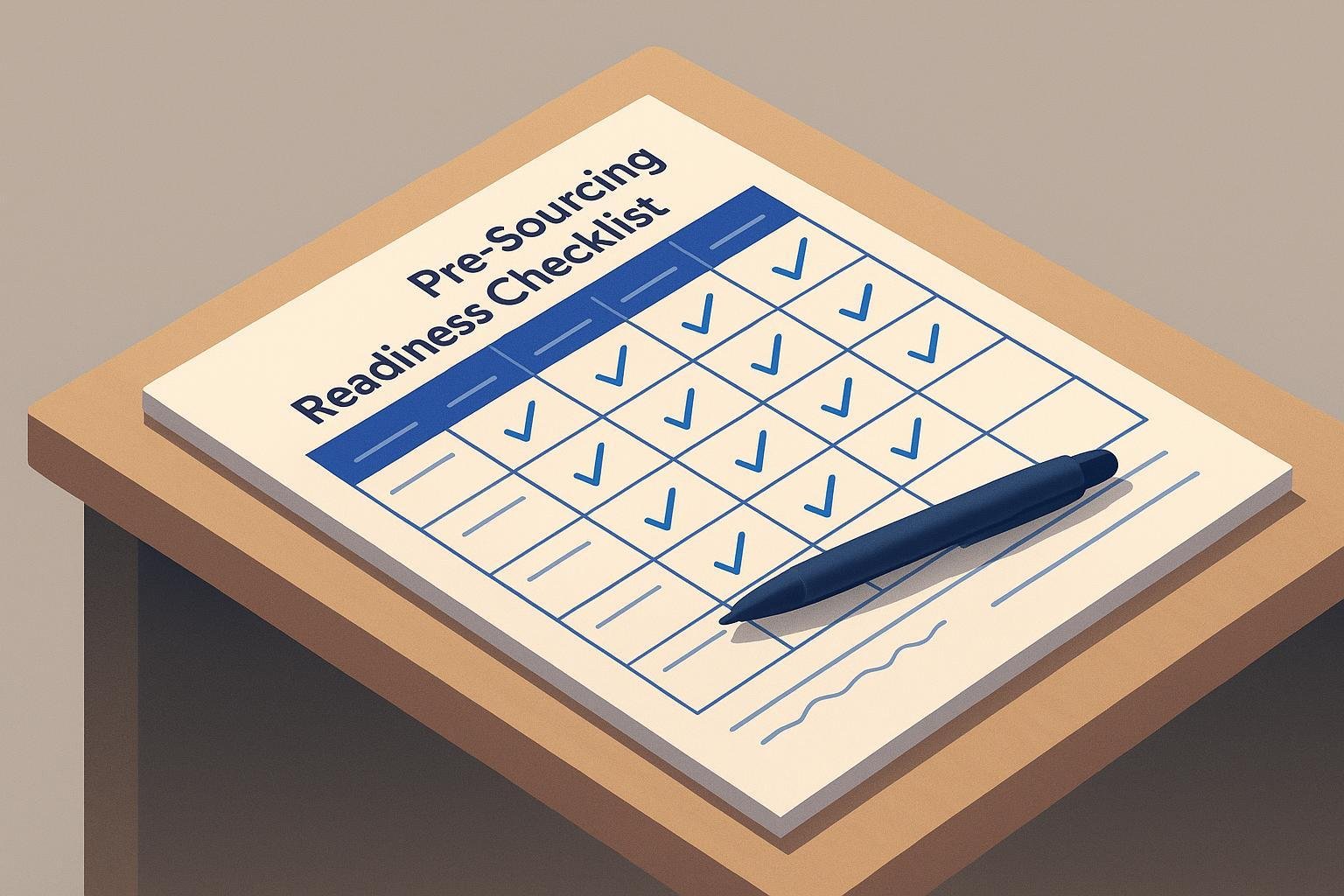
Have these numbers and documents ready before the first supplier email. The list is short, and each item removes a round of back-and-forth later.
Fleet and route data
Target duty cycle and daily kilometres per unit, not a weekly average
Rated payload per unit, in kilograms, including rider and cargo
Route gradient and the steepest sustained climb on the regular route
Charging access: where the vehicle parks overnight and what power is available there
Budget ceiling per unit, landed, not FOB
Expected fleet size now and at 12 months
Documents the buyer must already hold
TIN
Importer licence
Bank and forex route confirmed with your bank
Assumed knowledge: you should be comfortable reading a spec sheet and a bill of lading. Time: about two hours to assemble the list. Difficulty: beginner, but the document work is the long pole.
Pro Tip: Start the TIN, importer licence and forex route before you email any supplier. Registration and document lead times, not production, set your earliest delivery date: motorcycle registration in Ethiopia can take up to six months (afromekina). Ethiopia also does not accept CE, DOT or 3C as substitutes for its own conformity, so the Certificate of Conformity package has to be built from scratch. Both tracks run in parallel with supplier selection, and starting them late is the most common reason an order slips a quarter.
Step 1: Define your fleet requirement before you define the vehicle
By the end of this step you will have a written duty-cycle profile that tells a supplier which vehicle class to quote, instead of a wish list that tells them nothing.
Start with the work the vehicle has to do, not the model you like. A courier bike running 120 km/day at 40 km/h average is a different vehicle from a 40 km/day urban commuter: the first needs a bigger usable battery, a higher continuous motor rating and a mid-day charging window, while the second can often finish its day on a single overnight charge. Get this wrong and the cost is not a slightly underpowered bike, it is a container of units that cannot complete a shift.
Record six numbers for each fleet role:
Duty-cycle input | Why the supplier needs it | Example: courier bike | Example: urban commuter |
|---|---|---|---|
Distance per day | Sizes usable battery capacity, not brochure range | 120 km | 40 km |
Average speed | Sets continuous motor rating and thermal load | 40 km/h | 20–25 km/h |
Payload | Affects motor, frame and tyre choice | 30–50 kg rider plus cargo | Rider only |
Gradient | Determines torque requirement on Addis routes | Rolling, some steep climbs | Mostly flat |
Ambient temperature | Influences chemistry choice and charge behaviour | 5–30 °C | 5–30 °C |
Charging window | Decides whether one pack is enough or you need swappable units | 4–6 hours overnight plus a mid-day top-up | 8 hours overnight |
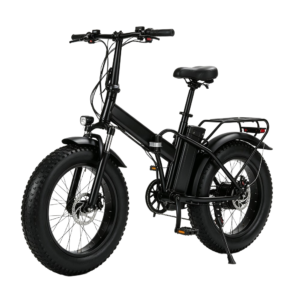
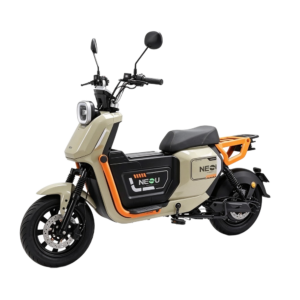
Vendor planning ranges published by weisourcing and ZPMotos put an e-bike at 500–1,000 W and 40–60 km, a commuter scooter at 1,500–2,000 W and 50–80 km, a mid-power e-motorcycle at 2,000–3,000 W and 70–110 km, and a cargo e-tricycle at 1,000–1,500 W and 60–100 km. Treat these as undated vendor-authored planning ranges, not tested benchmarks, and use them only to sanity-check which class your profile points to. For a bulk order of electric tricycles in Ethiopia, the 60–100 km band is the one that decides whether a single pack covers a delivery round or whether you must budget for a second pack per vehicle.
The market you are sizing into is real but still thin. EnergyConnects reported in February 2026 that Addis Ababa assembler Dodai has assembled and sold more than 1,800 Chinese electric bikes, and its founder estimates a 150,000–200,000 unit potential market for gig-worker two-wheelers over the next 10–15 years. That is a demand estimate, not a fleet plan, so use it to justify piloting a class rather than to justify a container quantity.
Verification: your profile is complete when a supplier can read it and quote a motor rating, a battery capacity and a charge strategy without asking you a follow-up question.
Step 2: Shortlist Chinese suppliers on export capability, not unit price
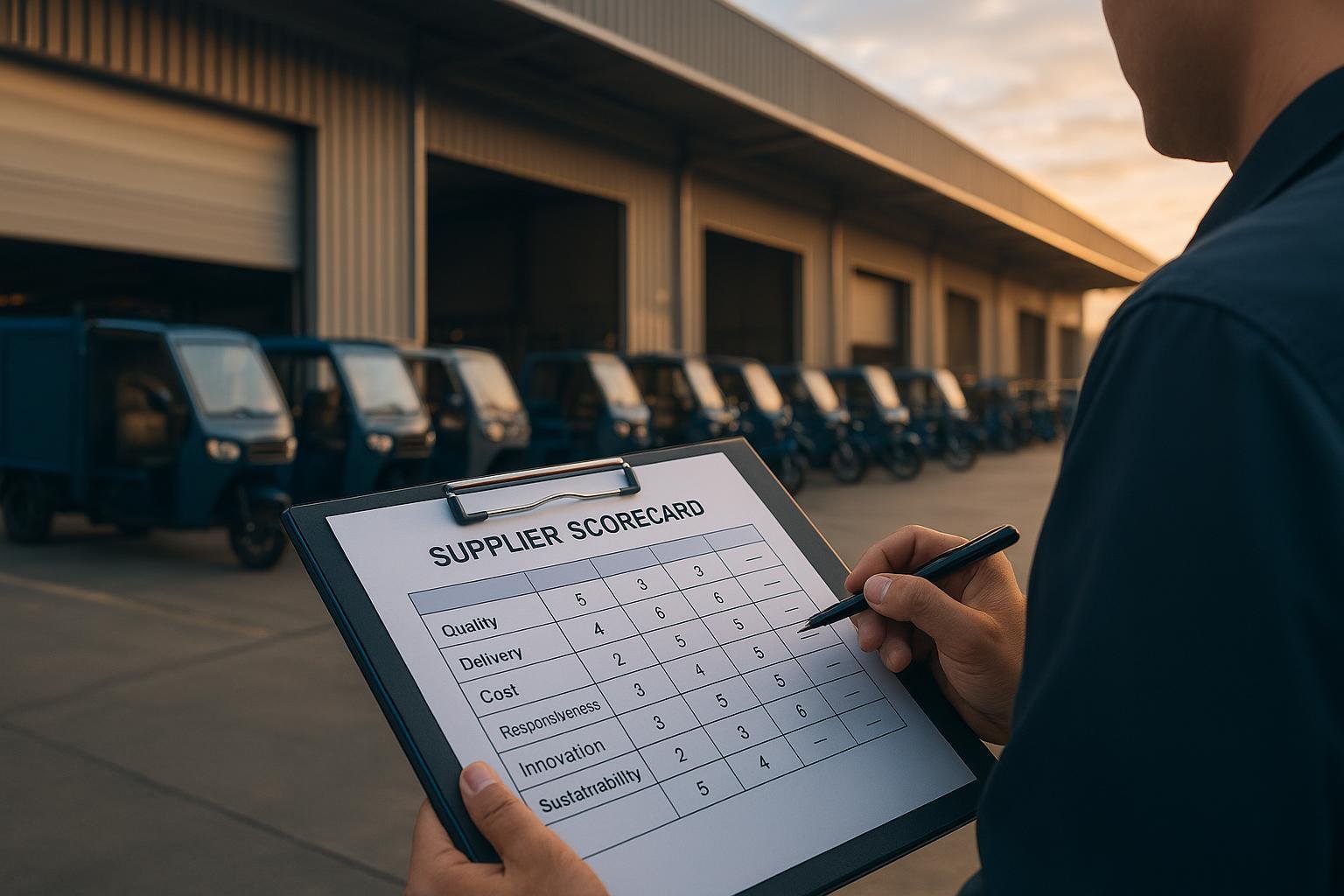
By the end of this step you should have three to five named suppliers and a completed scorecard for each, ranked on their ability to ship, document and support a fleet rather than on the FOB number they quote first.
Score each Chinese electric motorcycle supplier on six dimensions: export documentation record, spare-parts catalogue and quoted lead time, remote diagnosis capability, warranty claim process, MOQ flexibility, and whether they will quote SKD or CKD alongside CBU. Put the FOB price in the last column, not the first.
Vetting a claimed factory is a documented four-part test: check the business licence scope for manufacturing rather than trade-only activity, match the company name, unified social credit code, address and beneficiary across documents, request an unannounced live video walk-through of the line with technical questions, and ask for Africa shipment history covering bills of lading, consignees, ports and product descriptions over the past 12 to 24 months (SinoSourceAgent, 2026-08-31).
In practice, this is where most first-time buyers lose time. Across bulk orders we have coordinated, the factories that pass the licence and beneficiary checks still fail on two predictable points: the shipped model drifts from the certified model, and the spare-parts catalogue turns out to be a price list with no lead times. Both surface only after the deposit, which is why the four-part test above belongs before the quote, not after it.
Key Takeaway: Weight the six scorecard dimensions in this order: export documentation record, spare-parts catalogue and lead time, remote diagnosis, warranty claim process, MOQ flexibility, SKD/CKD quoting. The FOB number is the last column, not the first.
On volume, one supplier’s own guide states that factory MOQ is about one 20ft container per order and that mixed models are accepted, which matters if your fleet mixes cargo trikes with passenger bikes (evmoto.co, 2026-06-12). Treat that as a supplier’s stated position, not neutral market data, and confirm it in writing for your own order.
Step 3: Verify range and battery specs against their test conditions
Brochure range is not usable range, and the gap between them is the most expensive specification error an Ethiopian fleet buyer can make. Ask every supplier for watt-hours per kilometre at a stated speed and payload, nominal versus usable kWh, and cycles to 80% capacity. Those three numbers, not the headline range figure, decide whether a bike still completes its route in year three.
Battery chemistry drives that answer. LFP cells are rated at roughly 2,000 to 4,000 cycles to 80% retention against 800 to 1,200 for NMC (weisourcing/ZPMotos, undated). Treat that comparison with care: the page is undated and vendor-authored, so use it to frame questions rather than to close a decision. Separately, FOBEV’s fleet sourcing guide rates LFP at 3,000+ cycles and puts intensive ride-hail use at four to five years before replacement, also undated.
The expertise point here is not which chemistry wins, but how to read the number. Cycle life is only comparable when the test states depth of discharge, temperature and end-of-life threshold. An undated vendor page rarely states all three, so treat any cycle figure without them as a prompt for a written question, not as a decision input.
Class-level ratings give you a sanity check on what a supplier quotes. These are typical spec ranges, not benchmarks, and they vary by manufacturer and configuration.
Class | Continuous motor power | Typical range |
|---|---|---|
E-bike | 500-1,000 W | 40-60 km |
Commuter scooter | 1,500-2,000 W | 50-80 km |
Mid-power e-motorcycle | 2,000-3,000 W | 70-110 km |
Cargo e-tricycle | 1,000-1,500 W | 60-100 km |
A quoted range well above these bands, with no stated speed, payload or terrain, is a claim you cannot verify. Ask for the test condition in writing before you shortlist.
Step 4: Confirm compliance and certification documents before you pay a deposit
A CE, DOT or 3C mark is a manufacturer’s declaration. It is not Ethiopian conformity, and it will not clear your container. The document package that matters is the Certificate of Conformity, which covers a Vehicle Inspection Report, an Environmental Compliance Sheet and a Vehicle Type Approval Certificate, alongside the commercial invoice, packing list and bill of lading (ev24.africa, Ethiopia’s EV import regulations, 2025-10-02).
The burden of proof moved to you. Effective 23 July 2025, Ethiopia’s Ministry of Transport and Logistics required internationally recognized battery safety certification for all current and future vehicle assessments, which means the importer, not the factory, has to produce it (ev24.africa, 2025-10-02). Separately, ES 7095:2024 exists as a national standard for three-wheeler electric vehicles, so ask your supplier which standard their model was tested against and get the test report, not a summary.
⚠️ Warning: CE, DOT and 3C are not substitutes for Ethiopian conformity. The Certificate of Conformity package and the 23 July 2025 battery safety certification requirement both sit with the importer, so confirm each document exists before you release a deposit.
Corridor rules add a third layer. For electric trucks moving through the Djibouti corridor, 2026 requirements include UN-certified battery safety documentation for clearance at Doraleh multipurpose port, English-language vehicle management software, and a certified maintenance centre as a precondition for registration (Port de Djibouti, 2026-05-12). Treat those as corridor conditions rather than Ethiopian law, and check them against your own route.
Step 5: Model landed cost, TCO and payback before you commit volume
The number that decides a fleet order is not the unit price. It is the month the vehicle pays for itself, and that month is set by the duty ladder your import route falls into. Ethiopia applies 15% customs duty to fully assembled EVs, 5% to SKD kits and 0% to CKD kits assembled locally, with EV imports additionally exempt from VAT, excise and surtax (ev24.africa, Ethiopia EV Import Guidelines 2025, 21 July 2025). A separate ev24.africa comparison table published on 2 October 2025 restates the same ladder but adds a 15% VAT line against SKD and CKD (ev24.africa, Ethiopia’s EV Import Regulations: 8 Key Changes). Treat that as an unresolved point to confirm with a customs broker rather than a settled rate: it is the single input most likely to move your payback month.
Two independent sources confirm the same structure. ITDP’s Electrifying Ethiopia’s Transport reports in June 2026 that EV import duties are exempt from VAT, excise tax and surtax, with locally assembled EVs fully exempt, SKD taxed at 5% on average and fully built EVs at 15%. afromekina’s industry report on 1 April 2026 gives the identical split of 0% for locally assembled, 5% for SKD/CKD kits and 15% for fully assembled imports, and notes that ICE vehicles instead carry 15% VAT plus up to 100% excise, 10% surtax and 3% withholding. The ladder is not static: Ethiopia’s ICE import ban began in January 2024, expanded in May 2025 to SKD/CKD ICE kits, and extended in October 2025 to gasoline and diesel trucks (energytransitionafrica, 11 May 2026). Assembly depth is therefore a moving policy target, and a payback model built on today’s 0% CKD rate should carry a sensitivity case for a higher one.
Build the landed-cost stack first, line by line, for one unit. Ocean freight from China to Djibouti’s Doraleh Container Terminal runs an indicative USD 1,500 to 3,000 per 20ft and USD 2,600 to 5,500 per 40HQ, with 20 to 30 days transit, plus USD 200 to 400 in origin charges and USD 300 to 600 at destination (DT Full Logistics, undated page, rates labelled 2026; treat as indicative and re-quote before you commit). Then add duty at your chosen assembly level, the Djibouti corridor inland leg, and Ethiopian registration. Shipping kits rather than complete units cuts per-unit freight by 15% to 25% (evmoto.co, 12 June 2026), which is a second, smaller saving on top of the duty step.
Now the operating stack, because this is where the payback month actually comes from. Electricity for a business account is ETB 2.491 per kWh, roughly USD 0.015, against petrol at 112.67 ETB per litre after the March 2025 subsidy removal (GlobalPetrolPrices, December 2025 data). That gap is wide enough that energy is rarely the constraint on payback; parts availability, workshop labour and downtime are. A fleet TCO and payback model that assumes zero downtime will produce a payback month you cannot defend to your own finance team.
Run the model three ways before you commit volume: CBU at 15% duty, SKD at 5%, and CKD at 0%, each with its own freight and assembly cost. The route with the lowest unit price is frequently not the route with the earliest payback month, and the difference is usually the duty step, not the vehicle.
Step 6: Plan container loading and the Djibouti corridor
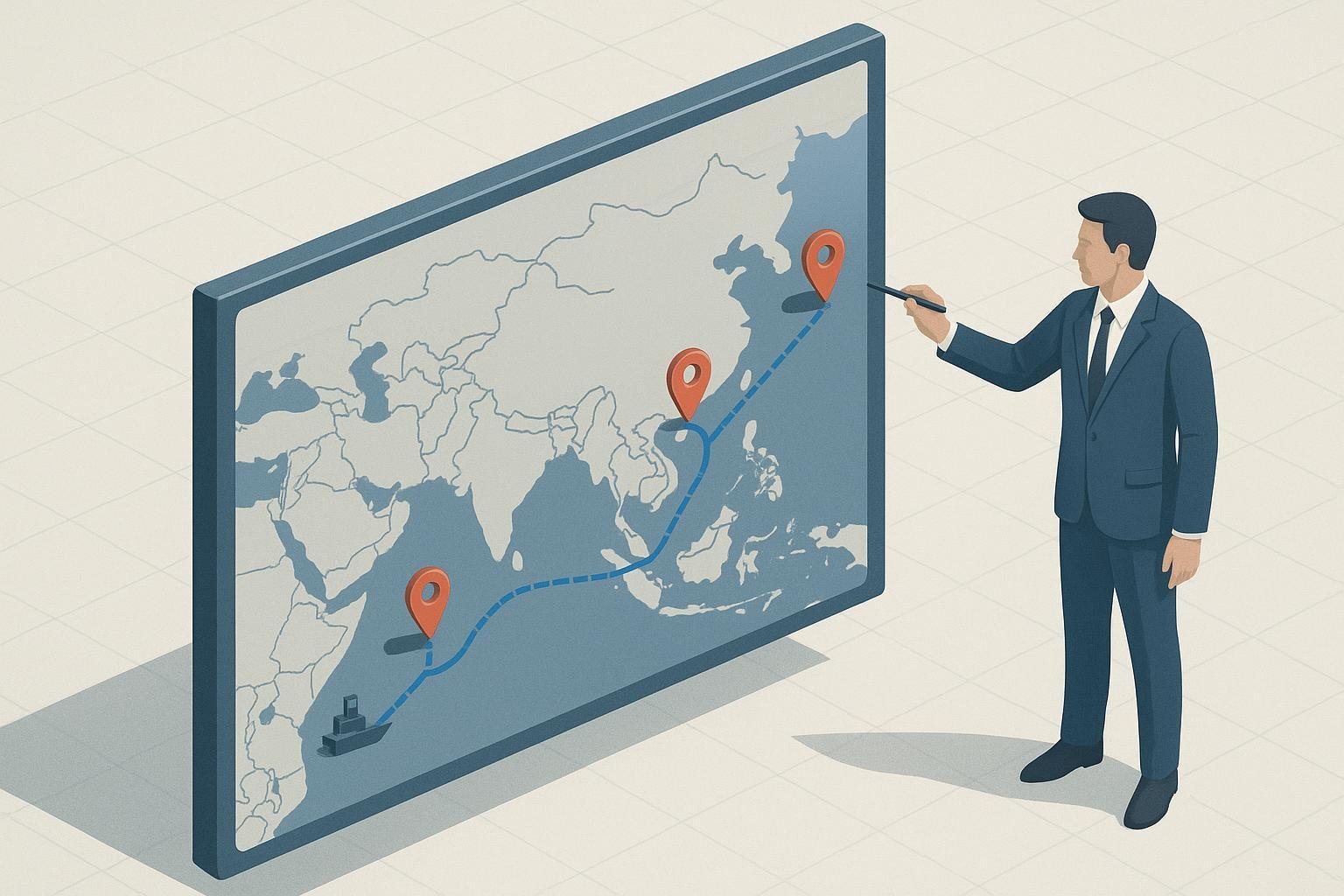
Decide the loading plan and the clearance sequence before you place the order, because a missing document stops the container, not the production line. Loading density varies sharply by class, so plan your order quantity around the container, not the other way round.
Vehicle class | Loading basis | 20ft | 40ft | 40HQ |
|---|---|---|---|---|
City e-scooter | CBU | 40–55 | 80–105 | 95–120 |
City e-scooter | SKD | 55–75 | 110–140 | 130–160 |
Mid-power e-motorcycle | Boxed CKD | 16–22 | 30–38 | 35–45 |
Mid-power e-motorcycle | Assembled | 10–13 | 22–28 | 26–34 |
Cargo e-tricycle | CKD | , | , | 16–22 |
The city e-scooter figures come from evmoto’s 2026 container loading reference, while the motorcycle and cargo e-tricycle ranges are planning estimates from ZPMotos’ container buyer’s guide, which is undated; treat them as a starting point for a bulk order electric tricycles Ethiopia shipment and confirm the exact count with your supplier against your own model’s boxed dimensions. Full-size trikes load fewer per container than the compact cargo class, so ask for the packed volume of the specific model rather than the class average.
On the corridor itself, the Djibouti to Addis road leg is about 900 km and trucking typically takes 5 to 10 days, with the ECTN completed 3 to 7 business days before loading (sudiauto’s Ethiopia import guide, 2026-07-22). The same source notes that Ethiopia’s Direct Transfer route via ESL is the fastest corridor option because goods clear into Ethiopia directly by road on arrival, while DIFTZ bonded transit lets cargo stay in-zone in Djibouti and move in batches. If you are weighing payment terms alongside the route, the same guide reports that custom orders typically run 40% deposit and 60% balance, with LC requiring separate bank negotiation from the usual T/T arrangement.
Corridor governance is changing as well. The DESSU corridor authority covering Djibouti, Ethiopia, South Sudan and Uganda was created in February 2026, and operators now need a green corridor transit permit for priority passage at the Galafi and Dewele border posts (Port de Djibouti, 2026-05-12). That is a corridor-level regime rather than Ethiopian import law, so confirm current requirements with your clearing agent before the container sails.
Step 7: Set up charging, spare parts and after-sales before delivery
Your fleet is not operational until charging, parts and service are in place, and Ethiopia’s charging gap is the constraint that decides how many vehicles you can actually run. The country has 50 to 100 public chargers against a need for more than 2,300, and Directive No. 1034/2024 obliges importers and assemblers to invest in charging infrastructure (afromekina, April 2026). Most chargers take 4 to 6 hours, with only a handful delivering a 30-minute charge (allAfrica, June 2026). Budget depot charging on that dwell time, not on the fastest charger you can find.
Open a first parts consignment at 3 to 5 percent of vehicle value in fast-moving items, because a two-wheeler off the road for a brake lever or controller costs more in lost deliveries than the part costs to stock. Get the warranty terms in writing before the deposit: Chinese OEM warranties are tied to the China VIN and do not transfer automatically, so the contract must state the export warranty term, mileage, the minimum battery state-of-health threshold, exclusions, and who pays labour, diagnostics and freight (Jolmolangma, August 2026). LiFePO4 modules are commonly specified at 90 percent minimum residual capacity as a procurement floor.
Two limitations deserve a place in your plan. EV-trained technicians are scarce, so budget for supplier-led training or a service partner in Addis Ababa, and motorcycle registration can take up to six months, which delays revenue on units that arrive ready to ride.
Common mistakes to avoid
Most first-order losses in an electric vehicle sourcing guide for Ethiopia trace back to five avoidable decisions, and each one is cheap to fix before the deposit and expensive to fix after it.
Accepting brochure range without a test condition. A range figure with no stated payload, speed, temperature or terrain cannot be compared across suppliers. Ask for the test condition in writing: usable kWh, Wh/km at rated payload, and the speed the figure was measured at.
Treating CE or DOT as sufficient for Ethiopian conformity. A CE or DOT mark covers the market it was issued for, not Ethiopian import approval. Confirm which Ethiopian conformity documents the supplier can actually produce, and keep the two sets separate in your evaluation.
Ordering CBU when SKD or CKD would cut freight. Fully built units consume container volume that semi-knocked-down or completely-knocked-down shipments do not, so freight per vehicle falls sharply at the same order size. Model the landed cost both ways before you fix the order form.
Leaving the ECTN and type-approval documents to the week of loading. These documents take time to issue and must match the shipped model exactly. Start them when you place the order, not when the container is booked.
Budgeting the unit price without the parts and charging line. Unit price is one line of the first-year cost. Add spare parts, charging equipment and the after-sales arrangement, or the payback calculation will not survive contact with operations.
What success looks like
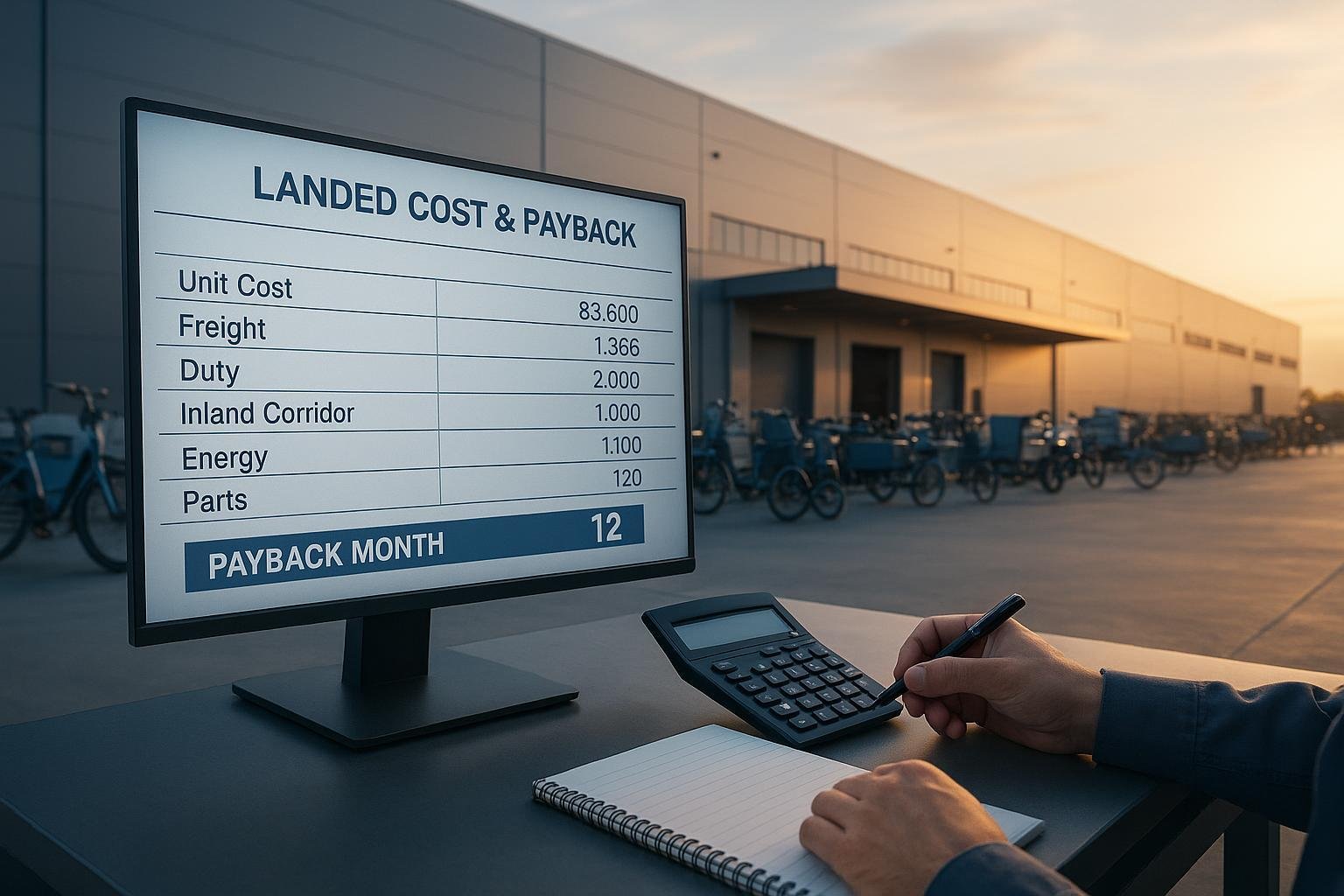
You have finished the sourcing process when you hold five checkable artefacts: a signed supplier scorecard, a spec sheet with the test conditions written next to every range and capacity figure, a conformity document set that matches the invoice and bill of lading line for line, a landed-cost model that names the month your fleet TCO and payback break even, and a container loading plan tied to a sailing date.
Deliverable | What it must show |
|---|---|
Signed supplier scorecard | Export capability, references, and your scored criteria |
Spec sheet with test conditions | Rated payload, speed, and temperature behind each range figure |
Conformity document set | Certificate numbers matching invoice and bill of lading |
Landed-cost model | Duty, freight, clearing, and a named payback month |
Container loading plan | Unit count per container and a booked sailing date |
The stretch goal is your second order. Once an assembly or final-fit partner is confirmed, moving from fully built units to SKD can cut per-unit freight by 15 to 25 percent (evmoto.co, 2026-06-12), and Ethiopia’s duty structure rewards that shift: 15 percent on fully built EVs against 5 percent for SKD and zero for CKD (ev24.africa, 2025-07-21).
Reader questions
How long does the process take from first contact to cleared container?
Plan for roughly three to five months from first supplier contact to a cleared container in Addis Ababa. The sea leg alone runs 20 to 30 days, and the Djibouti to Addis road leg adds another 5 to 10 days on the roughly 900 km corridor (Sudiauto, 2026-07-22). Production, quotation review, ECTN timing and the registration queue at the inland terminal are the variables that move the date most.
Is SKD or CKD worth it at a small order?
At 50 units, SKD usually pays for itself and CKD usually does not. Semi-knocked-down kits cut per-unit freight by 15 to 25% (EVMoto, 2026-06-12), and the duty ladder steps down from 15% on complete units to 5% on SKD and 0% on CKD. The threshold condition is a final-fit or assembly partner: without one, the extra handling and rework absorb the saving.
What if the type approval certificate does not match the shipped model?
The container does not clear. A mismatched certificate fails the Certificate of Conformity package, which includes the vehicle type approval certificate (EV24 Africa, 2025-10-02). Verify the certificate against the exact model and VIN range before you pay the deposit, and require the supplier to issue it for the shipped configuration rather than a catalogue model.
One disclosure and one limitation, stated plainly. This guide recommends a specific supplier at the end, so read that section as a starting point for a shortlist, not a neutral ranking. Its scope is Ethiopia as of 2026, and the duty, freight and energy figures are checkpoints that shift with policy, so re-verify each one with a customs broker and your bank before you model payback.
Next steps
Request two documents before you discuss price: the spec sheet with its test conditions, and the full conformity document set. Those two files tell you whether a supplier’s numbers and paperwork survive contact with Ethiopian customs, and they cost nothing to ask for.
Once both check out, request a factory quote against your defined fleet requirement. If you are weighing OEM or ODM power-battery branding at export scale, Shandong Senchi works with partners on customization, and its technical and after-sales teams can help close the specification gaps left after your first review. Treat this as one option to benchmark rather than the default: compare any supplier quote against the scorecard and the landed-cost model above before you commit.