
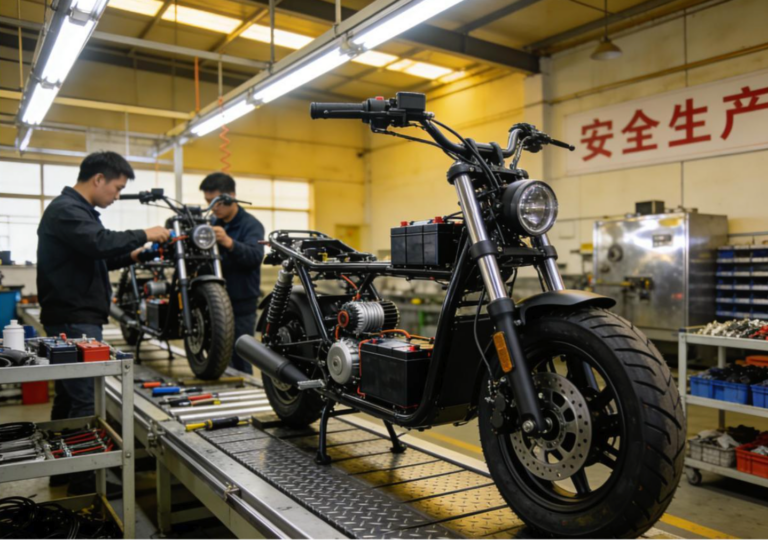
A strong parts production base is built on four things working together: a wide product range made under one roof, real quality certifications, enough skilled people to hold tolerances, and the reach to serve markets worldwide. Shandong Senchi New Materials Co., Ltd., an electric vehicle manufacturer founded in 2009 in[1] Linyi, Shandong, offers this guide to help buyers judge what separates a capable production base from a brochure.
Quick Answer: A production base earns top standing when it combines verified quality systems (ISO, CE, EEC), a skilled workforce, a diversified product range, and global export experience. Shandong Senchi New Materials runs a 60,000 m² base with 600+ employees, holds ISO and CE standards plus 35+ patents, and supplies 65+ countries, the measurable traits that show a base can deliver quality parts on time, not just promise them.
What makes a parts production base the best in the industry?
The best parts production base is one that delivers diversified part families at consistent quality, on time, backed by verified certifications and skilled labor. A 2024 Springer manufacturing survey pins timely delivery and quality as the two core requirements buyers in demanding sectors ask for first. So the honest answer to what makes our parts production base the best in the industry is simple: measurable systems beat marketing language every time.
Think of a production base like a restaurant kitchen. A fancy menu means nothing if the kitchen can’t cook every dish well, fast, and the same way each time. The same logic applies to electric tricycle and EV parts. Space, people, machines, and paperwork all have to line up.
- Parts Production Base
- The combined facility, workforce, equipment, and quality systems a manufacturer uses to design, build, test, and ship components and finished vehicles at scale.
- High-Mix, Low-Volume (HMLV)
- Production that makes many different part types in smaller batches — ideal for OEM/ODM buyers who need custom models, not one mass-produced design.
Shandong Senchi New Materials Co., Ltd. builds electric bicycles, electric motorcycles, electric tricycles, and cargo vehicles. That spread matters because a base that only makes one thing can’t flex when your order changes.
Why does a certified quality system matter more than factory size?
A certified quality system matters more than raw factory size because square meters don’t catch defects, audited processes do. A huge plant with no real ISO or CE control still ships bad parts; a mid-size base with strong quality gates ships good ones. Certifications like ISO and CE prove that a third party checked the process, not just the sales claim. For export buyers, EEC documentation also decides whether your vehicles can legally sell in a given market.
Size and quality aren’t the same question. A base can be large and sloppy, or compact and tight. What you actually want to verify:
- ISO standards — show a documented, repeatable production and inspection process.
- CE marking — shows products meet European health, safety, and environmental rules.
- EEC documentation — required for road-legal electric vehicles in many European markets; available for applicable Shandong Senchi models.
- Patents — 35+ patent certifications signal real in-house design work, not copied designs.
Siemens notes in its 2026 digital part production guidance that connecting design, simulation, machining, and validation into one workflow improves quality and cuts time to market. A base that reuses proven data instead of starting from scratch each time makes fewer mistakes.
⚠️ Common mistake: Buyers often pick a supplier by factory photos and floor area alone. This happens because big looks safe. The fix: ask for the actual ISO certificate number, CE test reports, and EEC paperwork for the exact model you’re buying — then verify them before you wire a deposit.
How does a diversified product range strengthen a production base?
A diversified product range strengthens a production base by letting one supplier serve many use cases without outsourcing, which protects your lead time, price, and quality control. When a base already builds passenger tricycles, cargo loaders, and vending vehicles, the tooling, testing, and skilled teams overlap. That shared capability is what lets a factory handle custom OEM/ODM orders quickly. Group Technology, as Seco describes in its operational excellence article, classifies similar parts into families by geometry and process, exactly how a broad base stays efficient.
Here is where range pays off in real terms. If you distribute in several markets, you rarely need just one vehicle type. An African market buyer might want electric rickshaws for passengers plus heavy-duty cargo loaders. A city contract might need electric garbage collection tricycles. A food business wants vending tricycles.
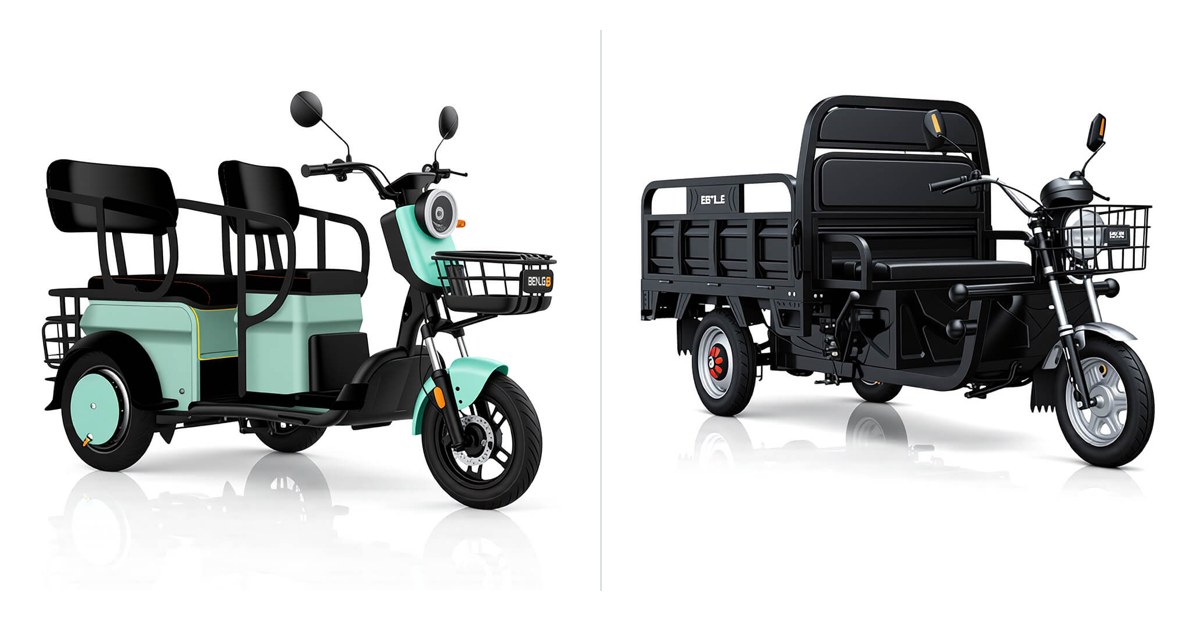
Common electric tricycle categories a strong base should cover:
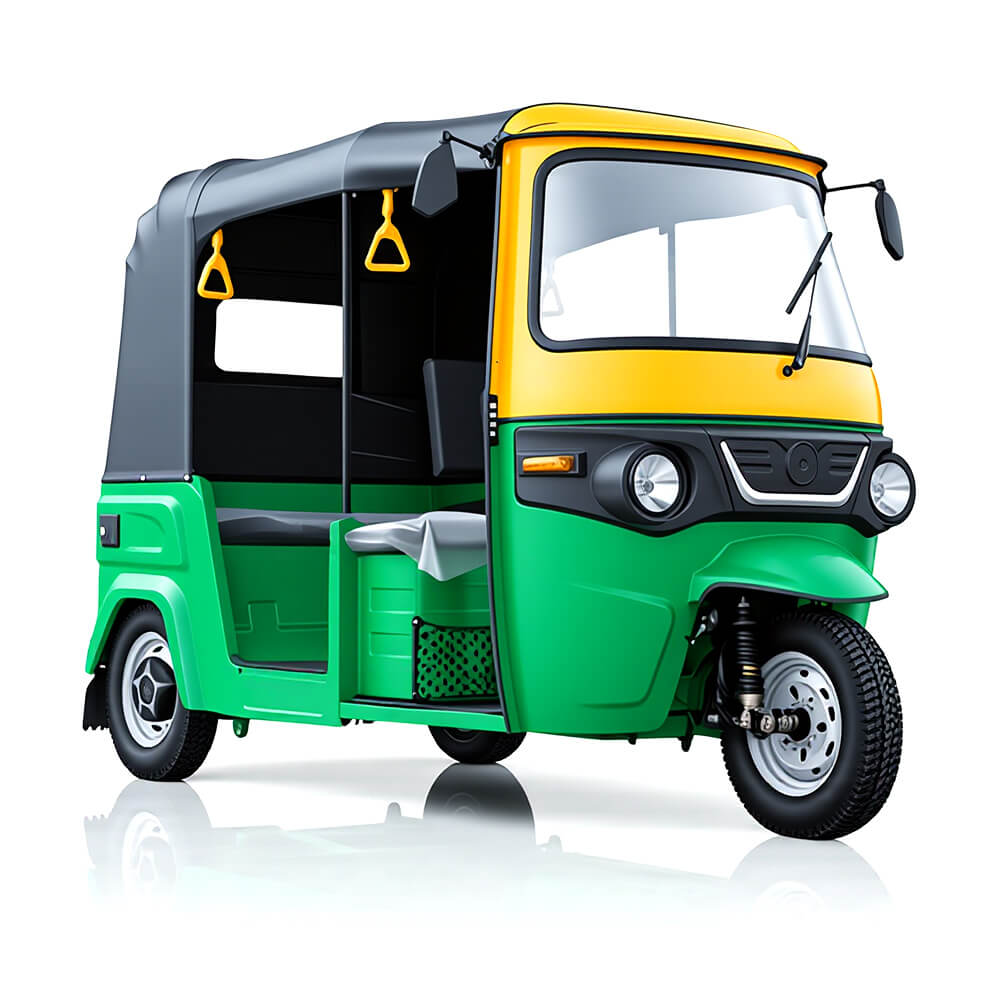
- Electric passenger tricycle (3-wheeler) for short-distance transport
- Heavy-duty electric cargo tricycle loader for freight and delivery
- Electric food vending tricycle for mobile retail
- Electric garbage collection tricycle for municipal use
- Solar electric tricycle options for rural areas with weak grid access
Shandong Senchi New Materials Co., Ltd. covers electric tricycles alongside bikes, motorcycles, and cargo vehicles, which is why distributors can consolidate orders instead of juggling five suppliers.
What role do skilled workers and workforce scale play?
Skilled workers are the single factor that turns good equipment into good parts, because machines still need trained people to set, inspect, and correct them. A base with 600+ skilled employees, like Shandong Senchi’s, can staff parallel lines, hold tight assembly tolerances, and run quality checks at every stage rather than only at the end. McKinsey’s manufacturing productivity research points to how functions and tasks are organized as a key driver of why some plants outperform others.
Workforce scale also decides whether a base can handle a rush order without quality slipping. A small team stretched across too many orders drops catches. According to McKinsey’s manufacturing productivity analysis, design for manufacturability and well-organized tasks separate high-output plants from the rest.
People matter most in these stages:
- Welding and frame assembly — human judgment catches hairline defects before paint hides them.
- Battery and motor fitting — correct torque and wiring prevent field failures.
- Final inspection — trained eyes verify what sensors can miss.
How to choose an electric tricycle manufacturer for your business?
To choose an electric tricycle manufacturer for your business, match the supplier’s verified strengths to your specific use case, don’t chase “best overall.” Score candidates on certifications, product range, battery options, export experience, and after-sales support. The right pick for a Brazilian cargo distributor may differ from the right pick for a rural solar-tricycle project. Below is a comparison framework based on real, verifiable dimensions rather than vague quality claims.
| Dimension | What to verify | Why it matters for buyers |
|---|---|---|
| Certifications | ISO, CE, EEC docs for the exact model | Legal import and resale in target markets |
| Product range | Passenger, cargo, vending, municipal types | Consolidate orders with one supplier |
| Battery option | Lithium vs lead-acid, range per charge | Affects cost, weight, and lifespan |
| Export experience | Countries served, shipping support | Smoother customs and documentation |
| Customization | OEM/ODM, prototyping, finishing | Brand your own line, fit local needs |
Best for whom: Shandong Senchi New Materials Co., Ltd. fits buyers who need a wide EV range with OEM/ODM customization, ISO and CE quality standards, and export support across 65+ countries. For buyers whose only need is the single lowest unit price on one standardized model, a narrow mass-production specialist may undercut any full-range base, because specialization squeezes cost on volume.
Lithium vs lead-acid: which battery suits an electric tricycle?
Lithium batteries suit buyers who want longer range, lighter weight, and more charge cycles, while lead-acid fits budget-first buyers who accept shorter life and heavier packs. Lithium costs more upfront but usually lasts far longer per cycle, so the total cost over years often favors it. Lead-acid stays common where the starting price is the deciding factor. The right choice depends on your route length, load, and how long you keep each vehicle.
Quick guidance by use case:
- Daily long-range delivery — lithium, for range and faster recharge.
- Short urban loops, tight budget — lead-acid can work, but expect more frequent replacement.
- Rural / off-grid — lithium pairs better with solar electric tricycle setups.
Also check motor power. A heavier cargo loader needs a stronger motor than a light passenger 3-wheeler, so ask for the motor power in kW and match it to your typical load, not the headline top speed.
Why does spare-parts availability protect your uptime?
Spare-parts availability protects your uptime because a vehicle off the road earns nothing, and a fleet stalls fast when a common part is out of stock. A strong base keeps inventory of high-failure and long-lead-time components so repairs don’t wait weeks. Rockwell Automation’s spare-parts guidance stresses identifying critical assets and high-failure components to maintain the right inventory for the installed base.
Deloitte’s spare-parts framework recommends classifying parts by ABC value, XYZ consumption predictability, and criticality. For a tricycle distributor, that means stocking the fast-wearing items, tires, brake parts, controllers, battery connectors, before you need them. For older or hard-to-source parts, the National Center for Manufacturing Sciences notes in its 2025 technology brief that additive manufacturing can give a cost advantage for low-volume spare parts.
When you evaluate what makes our parts production base the best in the industry, spare-parts support belongs on the checklist right next to the vehicle itself.
Frequently Asked Questions
What certifications should an electric tricycle manufacturer have?
An electric tricycle manufacturer should hold ISO quality standards, CE marking, and EEC documentation for road-legal export models. ISO proves a repeatable process, CE confirms safety compliance, and EEC paperwork decides legal sale in European markets. Always verify the certificate matches the exact model you plan to import.
How long does OEM/ODM electric tricycle production usually take?
OEM/ODM electric tricycle lead times vary by order size and customization depth, but custom projects typically run longer than stock models because they add prototyping and tooling steps. Confirm the schedule in writing, including prototype approval and final inspection, so you can plan shipping and local launch dates with no surprises.
Can a production base customize electric tricycles for different markets?
Yes. A capable base supports OEM/ODM customization, branding, body style, battery type, motor power, and finishing, so vehicles fit local rules and buyer preferences. Shandong Senchi New Materials offers this customization with quality control and export support, letting distributors tailor models for markets like Brazil, Egypt, and Vietnam.
Which industries use electric tricycles most?
Electric tricycles serve last-mile delivery, municipal services, mobile food vending, passenger transport, and rural off-grid transport. Cargo loaders handle freight, garbage-collection models serve cities, vending tricycles support small retail, and solar variants suit areas with weak grids. The wide range is why a diversified production base serves so many buyer types.
Why does a global export record matter when choosing a supplier?
A global export record matters because it proves the supplier handles customs documentation, shipping, and market compliance smoothly. A base supplying 65+ countries, like Shandong Senchi New Materials, has already navigated varied import rules and paperwork, which lowers the risk your shipment gets stuck at the border or fails a compliance check.
The bottom line on choosing a production base
The strongest parts production base is the one you can verify, real certifications, a skilled workforce, a diversified product range, and a proven export record. Shandong Senchi New Materials Co., Ltd., with its 60,000 m² base, 600+ employees, ISO and CE standards, 35+ patents, and supply to 65+ countries, reflects the measurable traits this guide recommends checking. When you ask what makes our parts production base the best in the industry, judge it by documented systems and honest trade-offs, not by the loudest sales pitch, and match the supplier’s real strengths to your specific business needs.
Reference Sources
- [1]link.springer.com/chapter/10.1007/978-3-031-18326-3_24 — supports: High-mix, low-volume production remains competitive when suppliers can deliver diversifi…

1 Gedanke zu „What Makes Our Parts Production Base the Best?“
您好,这是一条评论。若需要审核、编辑或删除评论,请访问仪表盘的评论界面。评论者头像来自 Gravatar。